


Your visual identity is often the first impression potential customers have of your business. As a full-service graphic designing company, Star Advertising Agency creates compelling logos, brand assets, print materials, and digital graphics that set your brand apart. Working seamlessly alongside our digital marketing and website development services, we help your business present a polished, consistent visual identity across every platform. Read on to learn how to choose the right creative partner for your business goals.
Choosing the right graphic designing company is a vital step in the process of building a strong, identifiable brand. It doesn’t matter what stage of the business you’re at whether you’re launching a new business, running a shop or managing an existing company, professional graphic design can go a long way to helping you get your message across. Your logo, your brochures, your business cards, your adverts, your packaging and your social media creatives all go a long way to establishing how your customer will recognise your brand. Consistent, attractive design will help you to maintain a professional image across both your digital and print platforms. It’s not enough to just have a bunch of beautiful samples. You need a design partner who understands your business objectives, your audience, your creative needs and your budget. In this guide we’ll look at what to watch out for when picking a graphic design partner and how the right design services can actually help your business grow.
Why does your business need a professional graphic designing company?
Graphic design is absolutely critical to how your customers perceive and understand your business. Every bit of graphics, from your company logo right through to your promotional material, is going to be part of the way your business is communicated to the world. Working with a professional graphic designing company can help your business: –
Build brand recognition: consistent use of colour, typography and design makes your business far easier to recognise.
– Communicate clearly. Good visuals will help your customer to understand what you’re offering.
– Create a professional image. Good design gives your marketing materials a clean, well-structured look.
– Support marketing campaigns with creative adverts and promotional material.
– Maintain visual consistency (across all your websites, brochures, ads and social media etc) to reinforce your brand identity.
Good design isn’t just about look. It’s about communicating the right message to the right audience.
What services does a graphic design company offer?
Before hiring a provider, identify the design services that match your business requirements. Not every business needs every type of design.
1. Logo Design Services
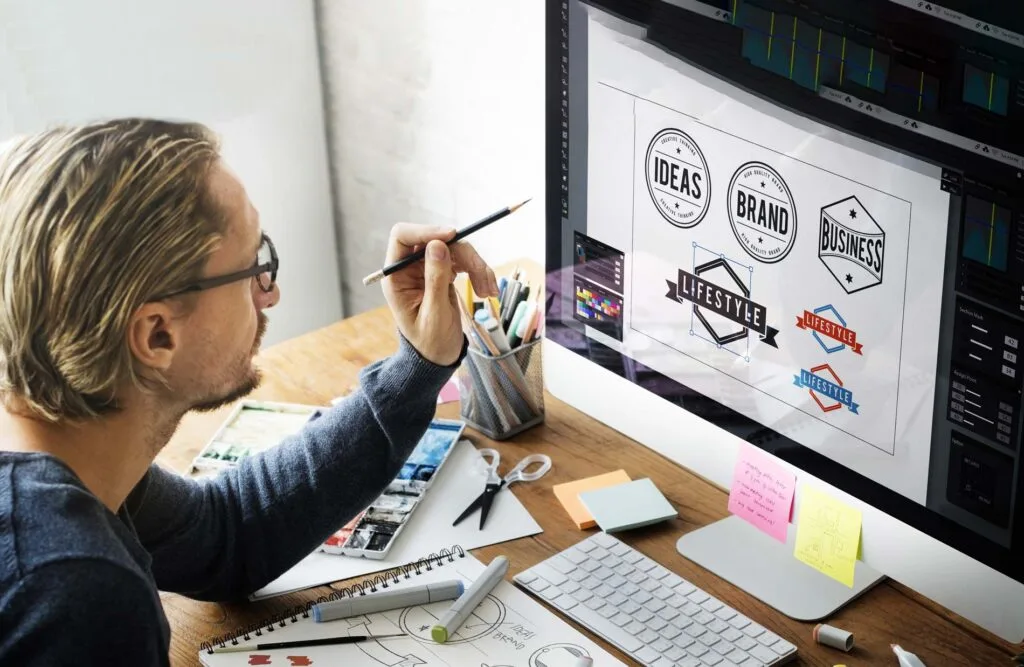
A logo is one of the most recognizable elements of a brand. It should reflect your business identity and remain clear across different sizes and applications.
When discussing logo design services, ask about the design concepts, revision process, final file formats, and usage requirements. You should also clarify whether supporting brand guidelines are included.
2. Branding and Graphic Design
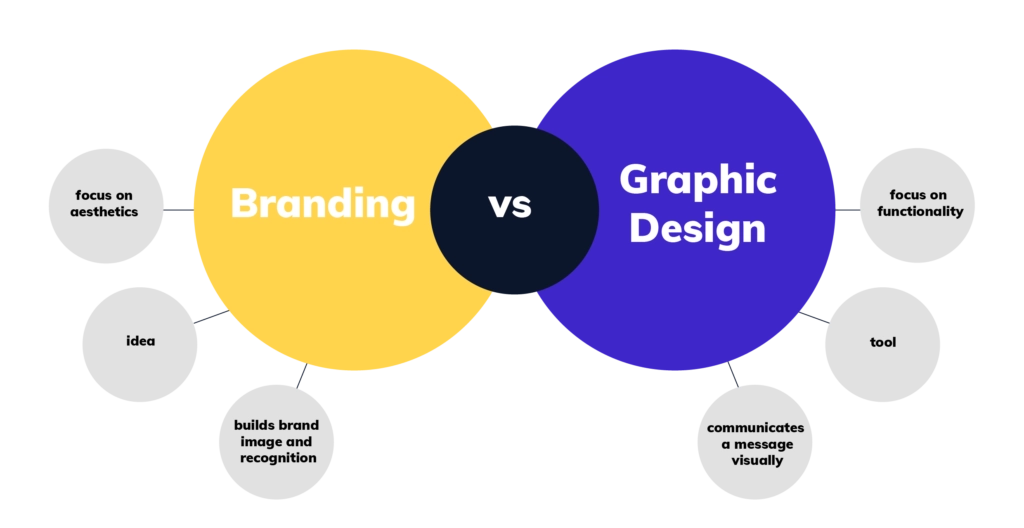
Branding involves more than creating a logo. It includes the visual elements that help your business maintain a recognizable identity.
Depending on your requirements, branding and graphic design may cover colour palettes, typography, brand guidelines, business cards, letterheads, and other corporate stationery.
A consistent visual system can help your marketing materials look connected rather than appearing to come from different businesses.
3. Brochure and Flyer Design
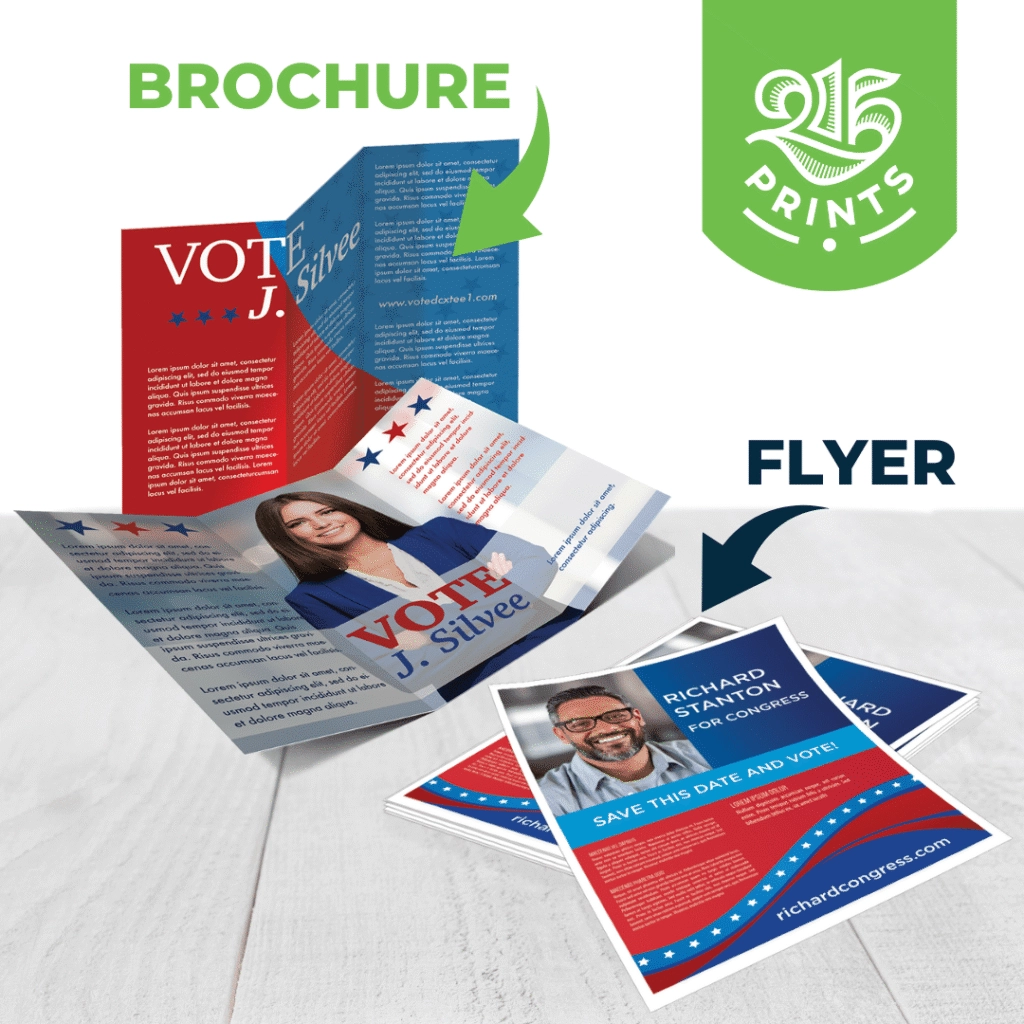
4. Marketing and Promotional Creatives
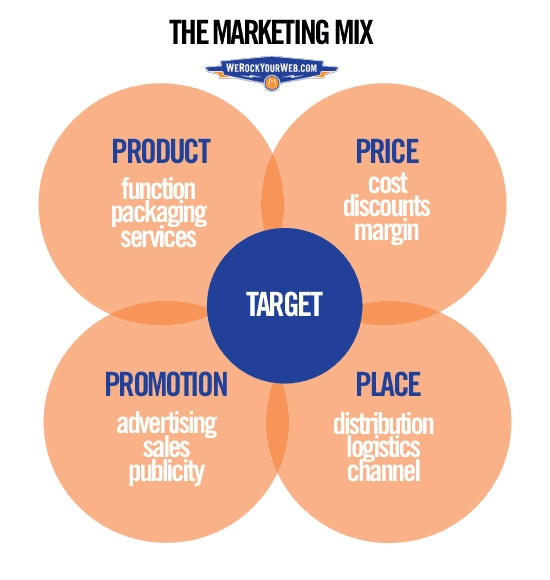
Businesses often need promotional designs for product launches, seasonal campaigns, announcements, and special offers.
The design should communicate the main message quickly while keeping important information readable. If you require creatives for several platforms, discuss the appropriate dimensions and file formats in advance.
5. Print and Digital Design Materials
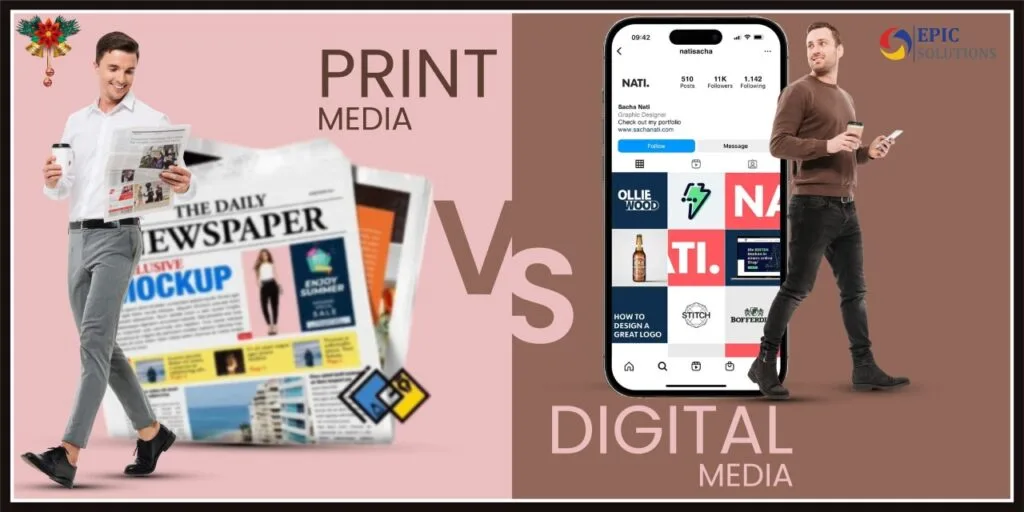
Some businesses need designs for both online and offline marketing. These may include posters, banners, packaging, digital advertisements, and social media graphics.
Confirm which deliverables the agency can provide and whether adaptations for different platforms are included in the quotation.
How to Choose the Right Graphic Designing Company
Selecting the right provider can help you avoid unclear expectations, unnecessary revisions, and inconsistent marketing materials.
Review the Design Portfolio
Ask to see relevant examples of previous work. Look for clarity, visual consistency, readable layouts, and designs suited to the intended audience.
A portfolio should help you understand the provider’s creative approach. If examples are not publicly available, ask whether suitable samples can be shared.
Check Whether They Understand Your Business
A good design brief starts with questions about your business, customers, competitors, and objectives.
For example, a retail store promoting a seasonal sale may need bold promotional graphics, while a professional services firm may prefer a restrained and informative visual style.
The design direction should match the purpose of the project rather than follow a generic template.
Understand the Scope of Work
Before approving a project, clarify what the quotation includes.
Ask about:
- Number of initial concepts.
- Included revisions.
- Final deliverables and file formats.
- Print-ready files, where applicable.
- Ownership and usage rights.
- Project milestones and expected delivery dates.
- Additional charges for extra work.
Clear expectations make it easier for both sides to manage the project.
Compare Value, Not Just Price
The cheapest quote may not cover everything you need, while a higher price does not automatically mean better work.
Compare providers based on relevant experience, creative quality, communication, deliverables, revision terms, and the total project cost.
Request a written quotation so you can compare the same scope of work across providers.
Evaluate Communication
Your design partner should be able to explain creative decisions, understand feedback, and clarify practical limitations.
Responsive communication is especially important when multiple marketing materials need to follow the same brand guidelines.
Which Businesses Can Benefit from Professional Graphic Design?
Graphic design can support businesses at different stages of growth.
- Startups: May need a logo, basic brand identity, and launch materials.
- Retail stores: May require promotional posters, flyers, product graphics, and sale announcements.
- Established companies: May want to refresh existing branding or improve consistency across departments.
- Restaurants and cafés: May need menus, promotional creatives, and printed marketing materials.
- Educational institutions: May require admission brochures, event posters, and informational designs.
- Manufacturers and distributors: May benefit from product catalogues, brochures, packaging visuals, and corporate presentations.
The most appropriate design services depend on the business model, audience, communication needs, and available budget.
Frequently Asked Questions
A graphic designing company creates visual materials such as logos, brand identities, brochures, flyers, posters, advertisements, and digital creatives. The available services vary by provider.
2. How do I choose the right graphic designing company?
Review relevant portfolio examples, confirm the required services, compare quotations, understand revision policies, and check whether the provider understands your target audience and business objectives.
Pricing depends on the type of design, project complexity, number of deliverables, revisions, and usage requirements. Request a customized quotation based on your scope of work.
Logo design focuses on creating a recognizable symbol or wordmark. Branding is broader and may include colour systems, typography, visual guidelines, and supporting marketing materials.
Prepare your business details, target audience, project objectives, content, contact information, preferred visual references, budget, and deadline.