






Peering Into the Future (and Trying Not to Panic)
Imagine this: it’s 2030. You wake up, scroll through your personalized feed, and notice that every ad seems eerily perfect — not just tailored to your tastes, but almost… conversational. Like the brand knows you better than your best friend. Sounds creepy? Maybe. But also exhilarating.
Performance marketing is evolving, and fast. The way brands measure clicks, conversions, and ROI today will feel quaint a decade from now. We’re talking hyper-personalization, AI-driven insights, and a level of immediacy that borders on science fiction.
You know what’s wild? While technology takes the lead, the human element — creativity, intuition, emotional resonance — won’t disappear. It’ll just become more intertwined with machines.
Hyper-Personalization — Beyond Just Names
Right now, personalization often means “Hi [Name], check out these shoes.” By 2030, performance marketing will probably feel more like a conversation than an ad.
Think of it like this: your smart fridge knows you’re low on oat milk. An AI-powered ad platform sends a notification: “Hey, looks like you’re almost out — want your usual oat milk delivered today?” Subtle, timely, and annoyingly useful.
This isn’t just about targeting demographics; it’s about predicting behaviors, moods, and even environmental context. Location, time of day, weather, recent purchases — all factored into delivering the right message at the right moment. Brands will essentially become anticipatory friends, not just marketers.
Data-Driven Creativity
Here’s a paradox: more data doesn’t automatically mean better creativity. You can have terabytes of insights, yet your campaign still flops if it lacks narrative.
By 2030, performance marketing will blend data and storytelling in unprecedented ways. AI will suggest copy, layouts, and audience segments, but humans will still craft the emotional hook. It’s like having a calculator that can compose poetry — but you still need a human to give it heart.
And here’s the kicker: the “story” might shift in real time. Imagine your ad adapting its tone depending on whether someone just had a stressful meeting or is scrolling leisurely on a weekend morning. Dynamic storytelling powered by predictive analytics — sounds futuristic, but the groundwork is already here.
Measurement 2.0 — Beyond Clicks and Conversions
Traditional KPIs — CTR, CPA, ROAS — are great, but they’re going to feel limited in 2030. The metrics will expand to include engagement depth, emotional resonance, and even brand sentiment in real time.
Picture this: a campaign that tracks micro-reactions, like a smile or a pause, captured (ethically, of course) via smart devices or AR interfaces. Brands won’t just know if someone clicked; they’ll know how they felt while interacting. Emotional analytics will become a core part of performance marketing dashboards.
AI and Automation — Your Creative Co-Pilot
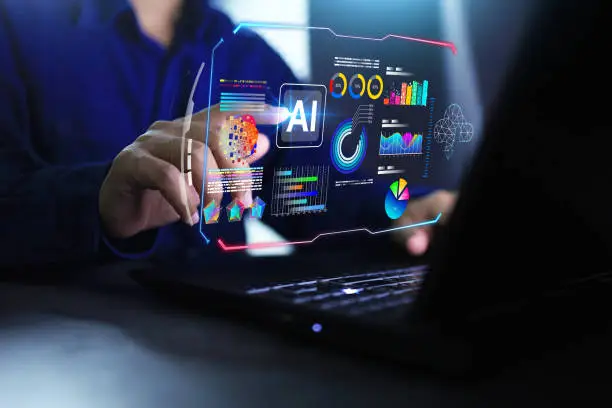
AI won’t just be generating copy or segmenting audiences; it’ll become a creative partner. Imagine briefing an AI: “Create a campaign for a summer line aimed at young professionals, playful tone, Instagram-first.” The system drafts, tests variations, optimizes delivery, and reports insights — all in hours instead of weeks.
But here’s the thing: humans will still be indispensable. Machines can predict patterns and suggest paths, but intuition, cultural nuance, and ethical judgment remain human domains. Performance marketing in 2030 will likely be a partnership: AI handling scale, humans steering soul.
Privacy and Ethics — The Balancing Act
With all this data and predictive capability comes a huge responsibility. By 2030, consumers will demand transparency and control. Brands that misuse hyper-personalization or ignore privacy will face backlash instantly.
Performance marketers will need to think beyond efficiency. Consent, fairness, and trust will become as critical as clicks and conversions. In fact, ethical marketing may become a competitive advantage — a differentiator that drives loyalty in ways that data alone can’t.
Omnichannel Integration — Every Device, Every Moment
Performance marketing will no longer be siloed. Your smartphone, smartwatch, AR glasses, smart home devices — all interconnected. A campaign might start as a video on your tablet, continue as a voice prompt on your car system, and end with a personalized message on your fridge display.
The challenge? Seamless storytelling across devices without overwhelming the consumer. By 2030, integration and context will be king. It’s not just about being present everywhere; it’s about being relevant everywhere.
Predictions You Can Bank On
Here’s a quick snapshot of what might be standard in 2030:
- Predictive Personalization: AI anticipates needs before users articulate them.
- Emotional Analytics: Campaign performance measured by engagement depth, not just clicks.
- Dynamic Content: Ads that adapt in real time based on behavior, context, and sentiment.
- Ethical Transparency: Consumers control their data and interactions with brands.
- Omnichannel Experience: Cohesive storytelling across devices and platforms.
It’s bold, it’s ambitious, and yes — it’s a little intimidating. But innovation has always been a bit scary before it becomes the norm.
Wrapping It Up — Humans at the Helm
Even as technology evolves, the human factor remains central. Creativity, empathy, intuition — these won’t be replaced; they’ll be amplified by AI. Performance marketing in 2030 will be less about chasing clicks and more about understanding people, predicting needs, and building meaningful interactions.
So, while the tools, metrics, and channels may transform, the goal remains timeless: connect, engage, and inspire.
You know what? That’s actually exciting. Because if we get it right, marketing won’t just drive sales — it will create experiences people remember.